
THANK YOU FOR ATTENDING
NuclearFACTS 2025
THANK YOU FOR ATTENDING
NuclearFACTS 2025
November 5th, 2025 | Fedoruk Centre, Saskatoon, Canada

ABOUT NUCLEARFACTS
ABOUT NUCLEARFACTS
Fedoruk Centre project grants enable Project Leaders from Saskatchewan institutions to create social and economic benefits related to nuclear science, technology and policy.
NuclearFACTS is an annual event where Project Leaders report on the progress of their research projects and share their vision of potential benefits. Keynote speakers will address the context of nuclear research, development and training. Opportunities for networking will be provided during breaks and lunch, for those who choose to attend this hybrid event in person.
The audience will include members of the Fedoruk Centre Project Advisory Committee (PAC), Project Leaders and team members, as well as interested participants from the broader community. PAC members and other attendees are welcome to ask questions about the progress of each research project, issues, highlights, and the vision of how expected outcomes will advance science or technology for the benefit of society.
AGENDA AT A GLANCE
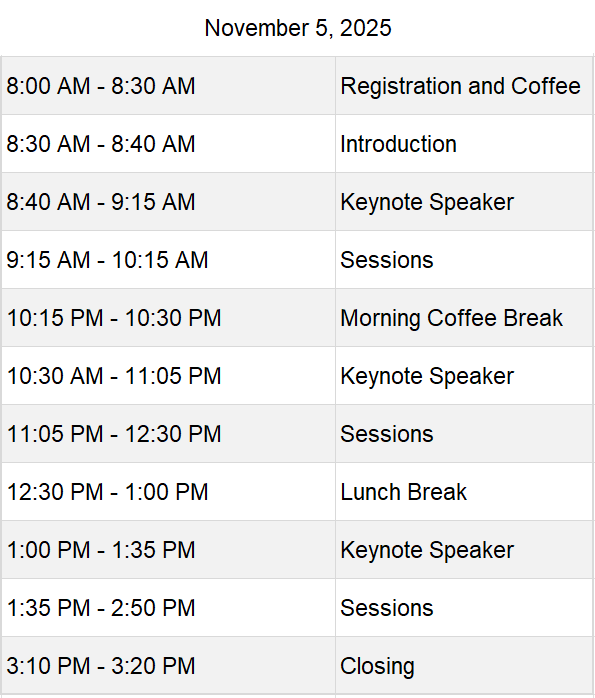
OUR MODERATOR
OUR MODERATOR

LARKIN MOSSCROP is a seasoned environmental and nuclear science professional currently serving as Manager of Environmental Services, Clean Energy & Community Engagement at Kinectrics, a leading provider of engineering, testing, and consulting services to the nuclear and energy sectors. She started her career in the sciences, having her masters in science in biology from Queen’s University. She has been in the nuclear industry for over 10 years but has been an educator for over 20, with 15 years specifically related to science communication and education. This strong passion for science and education led her to complete her PhD in Public Policy on science and energy literacy in youth. She is passionate about energy and believes that the future energy system must be a mix of non-emitting sources to power our future. She volunteers with the CNS education program, the Renfrew County Science Fair, and local animal rescues. She is an outdoorsy person and can often be found hiking in a forest with her rescue dogs, swimming in the river, or at home reading a book with one of her rescue cats.
SPEAKERS
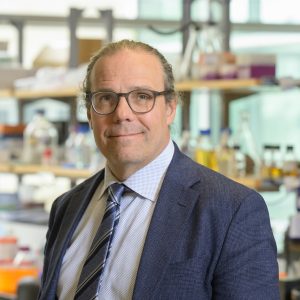
DR. CHRIS YOST is Vice-President (Research) and a full professor within the Biology Department at the University of Regina. From 2007 to 2017 he was a Canada Research Chair in Environmental Microbiology. He is the co-Director of the Institute for Microbial Systems and Society, where he supervisors a diverse team of undergraduate, and graduate student researchers. In addition to maintaining an active research lab that uses genomic technologies to study agriculturally relevant interactions between microbes and plants, he has had a long-term commitment to serving the University in supporting its research enterprise. Dr. Yost was the chair of the Council Committee on Academic Mission and the chair of the Council Committee on Research. He also has national experience in research policy work, and was a member of NSERC’s Committee on Discovery Research while serving as a Group Chair for NSERC’s Discovery Grant program. He served the Canadian Society of Microbiologists in leadership positions for many years. Prior to coming to the University of Regina in 2003, Dr. Yost was a research scientist with Agriculture and Agri-Food Canada at the Lacombe Research Centre and later worked internationally as a research associate at the University of Aarhus in Denmark.
Presentation Title: Nuclear Imaging, Agriculture and Food Security
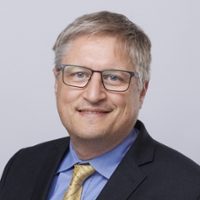
JETER HALL completed his PhD at the University of Utah, studying gamma rays produced by dark matter annihilation. He went on to complete a postdoctoral fellowship at Fermilab, where he contributed to underground dark matter experiments including CDMS-II, SuperCDMS, and COUPP. Jeter’s work ranged from improving electronics performance in cryogenic detectors to analyzing acoustic signatures in bubble chambers and deploying new technologies at SNOLAB.
From 2017, Jeter held the position of Director of Research at SNOLAB, one of Canada’s premier facilities for astro-particle research. In this role, Jeter was accountable for the successful execution of the laboratory’s large suite of projects in tandem with the successful operation of its scientific program. Jeter worked across organizational boundaries to facilitate the successful completion of the lab’s portfolio of projects and programs alongside the lab’s organizational commitments.
Jeter joined the Fedoruk Centre as executive director in July 2025 to accompllish impacts in the following areas: (1) Nuclear imaging tools and methods to advance life sciences, agri-biotechnologies and medicine; (2) Material sciences, through nuclear techniques, such as neutron scattering, to improve energy, health, and transportation; and (3) Understanding the practical and social aspects of nuclear energy, to inform decision-making towards a clean, sustainable future.
Presentation Title: Welcome and Closing Remarks
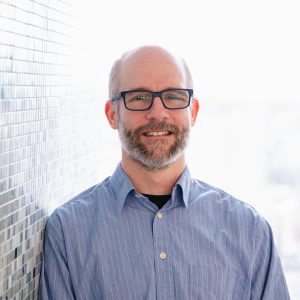
DR, STEVE LIVINGSTONE is the Manager Nuclear Engineering, Construction & Project Delivery at SaskPower, and a Professional Engineer. After completing an undergraduate degree in Engineering Physics at Queen’s University, Dr. Livingstone moved to Saskatchewan to pursue a Master of Science at the University of Saskatchewan in Physics in the field of fusion performing experiments on the STOR-1M Tokamak. Following a short stint in the Royal Canadian Naval Reserves, Dr. Livingstone joined Atomic Energy of Canada Ltd (AECL) in Chalk River and simultaneously joined the Royal Military College of Canada to pursue a PhD part-time in Nuclear Engineering focused on defected fuel in CANDU reactors. Dr. Livingstone spent fourteen years at AECL and Canadian Nuclear Labs (CNL) in various roles from junior scientist to Branch Manager. Dr. Livingstone worked in the areas of fuel fabrication, post-irradiation examination of fuel and components, advanced fuel cycles, SLOWPOKE-2 research reactors, ZED-2 reactor, muon tomography, security and safeguards technology, emergency response, and cybersecurity.
From November 2020 to March 2024, Steve worked with Saskatchewan Ministry of Environment and Crown Investments Corporation of Saskatchewan to provide expert technical support as the Government started working towards nuclear energy in Saskatchewan; today, Dr. Livingstone continues that role with SaskPower.
PANEL: Prospects for the future nuclear workforce in Saskatchewan
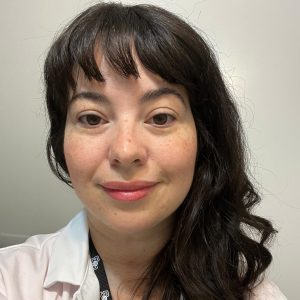
ADALIA LOPES is a graduate student at the Western College of Veterinary Medicine at the University of Saskatchewan. Her research focuses on the use of radiolabeled synthetic antibodies to identify specific markers in cancer cells in a comparative oncology model. These tracers enable real-time imaging to detect primary and metastatic tumors in human and canine patients. Her work is supported by the Fedoruk Research Funding, the Companion Animal Health Scholarship, and the Small Animal Clinical Sciences Scholarship.
Presentation Title: Utilization of a novel bispecific antibody for tumor imaging in human and canine malignancies
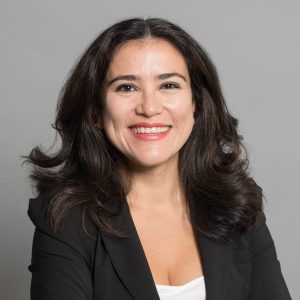
ALAZ MUNZUR is an Assistant Professor of Economics and Economics Policy at the Johnson Shoyama Graduate School of Public Policy, University of Saskatchewan. Munzur’s recent research is focused in the areas of government regulation and policy on energy and environment; international cooperation on climate issues; internal and international trade policy; and international trade history. Most recently, as part of the Canadian Climate Policy Partnership, she’s been working on developing a comprehensive database and digital platform tracking climate commitments, targets, policies, and investments from different orders of government in Canada.
Prior to joining the University of Saskatchewan, Munzur was an Assistant Professor of Economics at Simon Fraser University, School of Public Policy. Munzur also worked as a Research Associate with the Energy and Environmental Policy research division at the University of Calgary, contributing to the Canadian Northern Corridor Research Program by examining the economic and environmental impacts of infrastructure development in Canada’s North. She earned her PhD in Economics from University of Calgary in 2019 and has since supervised graduate research projects on Canadian climate and international trade policy, and critical minerals development.
Presentation Title: Fueling the future - Training the future nuclear workforce in Saskatchewan
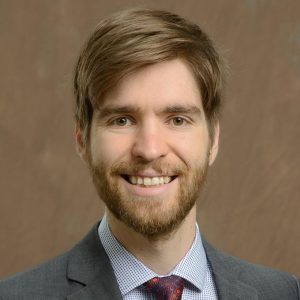
DR. ARTHUR SITUM is the Canada Research Chair (CRC) Tier 2 in Small Modular Reactor Safety (SMR) Safety and Licensing and a professor in the Energy Systems Engineering program at the University of Regina. He serves as head of the SMR Fuel Corrosion Lab (SMR-FCL), overseeing around 2 million dollars of research funding focused on radioactive waste management, development of novel fuel for SMRs and the study of molten salts for advanced SMR designs. He holds degrees in chemistry from Wilfrid Laurier University (BSc and MSc) and the University of Saskatchewan. He has held various senior leadership positions in the Canadian Nuclear Society (CNS) since 2018, and serves on CNS Council and as co-chair of the Generation 4 and SMR (G4SR) Division and International Conference.
Panel: Prospects for the future nuclear workforce in Saskatchewan
Presentation Title: Zirconium metal as a redox buffer agent in molten fluoride salts
EKATERINA (KATE) DADACHOVA, PhD, joined University of Saskatchewan in late 2016 as a Fedoruk Center for Nuclear Innovation Chair in Radiopharmacy, and a Professor of Pharmacy. Before joining U of S she held a Professorship in Radiology, Microbiology and Immunology at the Albert Einstein College of Medicine in New York, USA from 2000 to 2016. Her research interests are targeted radionuclide therapy of cancer, infections and autoimmune diseases, as well as melanin-based radioprotectors. She published >200 papers, 13 book chapters, and has 8 US patents. She received several awards such as Philips Young Investigator Award by RSNA, Young Professionals Award from the SNM, Mary Kay Ash Research Award, Top 10 researchers at the Albert Einstein College of Medicine in 2013, 2017 Burroughs Welcome Award, 2020 University of Saskatchewan Distinguished Researcher Award and 2024 Saskatchewan Health Research Foundation (SHRF) Years of Service Award. She is in the top 2% of cited scientists worldwide according to Stanford University 2024 database.
Presentation Title: Combining radioimmunotherapy and antibiotics to treat prosthetic joints infection in a rat model
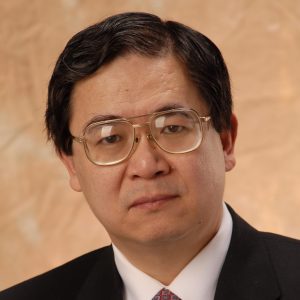
DR. GORDON HUANG is University Distinguished Professor and ex-Canada Research Chair Tier 1 at the University of Regina (UofR), Canada. He is also UofR’s Executive Director of the Institute for Energy, Environment and Sustainable Communities. He is the Fellow of Canadian Society for Civil Engineering, Canadian Academy of Engineering, and Engineering Institute of Canada, the President of International Society for Environmental Information Sciences, and the Editor-in-Chief for J. of Environmental Informatics (SCI JCR Q1). He published over 1,000 journal papers with an h-index of 90 in Science Citation Index under Web of Science (Google Scholar h-index over 100), and trained over 100 graduate students. His pioneering work in operational environmental risk management has been recognized as a significant innovation, and has influenced government and business approaches for tackling environmental challenges and formulating related policies.
Presentation Title: Development of Nuclear Imaging Tools for Pre-clinical Evaluation of Lung Inflammation: Sequential PET-CT Imaging in the Swine and Murine Models
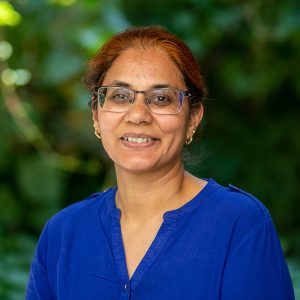
DR. GURPREET AULAKH earned her bachelor’s and master’s degrees in pharmacy from Punjabi University. She earned her PhD degree from the University of Saskatchewan in 2011. She was a Research Fellow and Postdoctoral Fellow at the U of S, and she was an Eyes High Postdoctoral Research Scholar at the University of Calgary.
Dr. Aulakh joined the Department of Small Animal Clinical Sciences as the Fedoruk Chair in Imaging Science in August 2016.
Presentation Title: Development of Nuclear Imaging Tools for Pre-clinical Evaluation of Lung Inflammation: Sequential PET-CT Imaging in the Swine and Murine Models
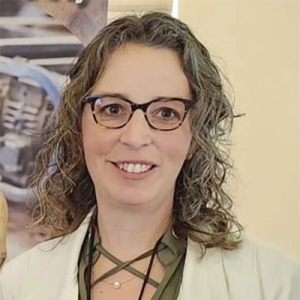
LESLEY MCGILP joined IMII as the Executive Director in June, 2025. Lesley has over 25 years of experience spanning upstream oil and gas, applied technology development in energy and mining, and consulting in nuclear and clean energy. She holds a bachelor’s degree in mechanical engineering from the University of Saskatchewan and an MBA from the Haskayne School of Business and is presently pursuing a graduate diploma in nuclear engineering from UNENE, via McMaster.
Lesley’s career highlights include 10 years working in upstream oil and gas and 13 years in applied technology development at the Saskatchewan Research Council (SRC), where she managed teams of technical specialists performing projects for the oil and gas, mining and clean energy sectors. As Vice-President of SRC’s Energy Division, Lesley led energy transition related initiatives in hydrogen, emission reductions, lithium, microgrids and nuclear. Prior to IMII Lesley was the Director of Clean Energy Systems at March Consulting Associates Inc., where she led the firm’s nuclear energy projects.
Lesley volunteers in her community and with professional organizations including APEGS and the Engineering Advancement Trust for USask. She has been honored for her career achievements and community impacts, and is a recipient of the Saskatoon YWCA Women of Distinction Award for Science, Technology and Research and the Saskatoon Engineering Society Engineer of the Year.
Panel: Prospects for the future nuclear workforce in Saskatchewan
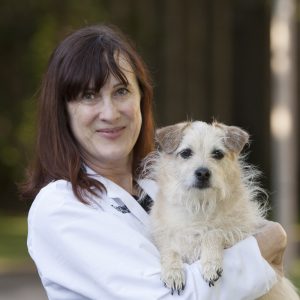
MONIQUE MAYER is a veterinary radiation oncologist and Professor in the Western College of Veterinary Medicine at the University of Saskatchewan. She completed her DVM degree at the Western College of Veterinary Medicine, followed by an Oncology internship and a Radiation Oncology residency and MS degree at Colorado State University. Her research interests include targeted radiotherapy, spatially fractionated radiation therapy, lymphatic drainage in veterinary cancer patients and occupational radiation safety.
Presentation Title: Nuclear imaging of animal models of disease

ZOE HOYDA is a graduate student studying policy pertaining to GenIV reactors as well as the Raman spectroscopy (experimental and simulated) of molten salts.
Presentation Title: Zirconium metal as a redox buffer agent in molten fluoride salts
OUR ADVISORY COMMITTEE

DR. ANDREA ARMSTRONG has 18 years experience in the development and commercialization of medical isotope technologies. Prior to joining Synergy Oncology, she spent 14 years leading McMaster University’s radioisotope research program, where she led the commercialization of two large-scale production technologies, as well as the development of a new process for generating high-quality lutetium-177 in medium flux research reactors. She was a critical member of the multi-institutional team that secured $35 M from ISED Canada to create the Canadian Medical Isotope Ecosystem in 2023, and was the McMaster lead for the “Care By Air” initiative that saw the first-in-world use of a Remotely Piloted Aircraft System to deliver medical isotopes to hospital.
Andrea has a strong track record of building strategic partnerships to advance both medical and non-medical applications of nuclear technology. During her time at McMaster she established collaborations with scientists at national laboratories, universities, and the private sector, supporting research through provision of expertise, radiotracers, and isotopes. Andrea is the author of the university’s contribution to Canada’s Small Modular Reactor Action Plan, white papers on topics including Canada’s neutron gap and the global medical isotope supply chain, and 35+ peer-reviewed publications. As a recognized expert in her field, Andrea is a regular contributor, speaker, and panelist at events organized by groups including CNIC, CNA, CNS, NAYGN, NRCan, NWMO, OCNI, and TRIUMF. She is also an experienced educator, creating and delivering content for undergraduate and post-graduate courses and workshops, as well as public-facing events such as Doors Open and Nuclear Science Week.
Andrea is the chair of the Canadian Nuclear Society’s Science & Technology of Radioisotopes (STORI) division, a member of the IAEA’s Consultancy Group on Lu-177, and an Adjunct Professor in the Department of Chemistry & Chemical Biology at McMaster University. She holds a PhD in Chemistry from the University of Calgary.
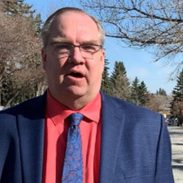
DR. DUANE BRATT is a political science Professor educated at the Universities of Windsor (BA 1991, MA 1992) and Alberta (Ph.D 1996) and Chair in the Department of Economics, Justice, and Policy Studies at Mount Royal University (Calgary, AB). He teaches in the area of international relations and Canadian public policy. His primary research interest is in the area of Canadian nuclear policy. Recent publications include: co-editor, Orange Chinook: Politics in the New Alberta (University of Calgary Press, 2019), co-editor, Readings in Canadian Foreign Policy: Classic Debates and New Ideas 3rd edition (Oxford University Press, 2015) and author of Canada, the Provinces, and the Global Nuclear Revival (McGill-Queen’s University Press, 2012). Current projects include the risk assessment of Canada’s nuclear waste site selection process.
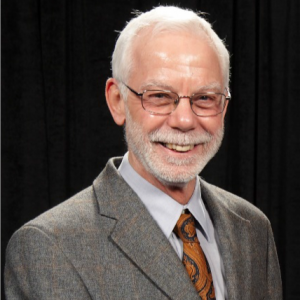
DR. DAVID SHOESMITH is an emeritus professor in the Department of Chemistry at Western University (London, ON) and ex-Director of Surface Science Western (2011 – 2019). He was a research scientist with Atomic Energy of Canada (Whiteshell Laboratories, Manitoba) from 1973 to 1998 and subsequently holder of a Natural Sciences and Engineering Research Council and Nuclear Waste Management Organization (NSERC/NWMO) Industrial Research Chair in Nuclear Fuel Disposal Chemistry (2000 – 2019). He is an elected fellow of the Royal Society of Canada (2016), NACE International, the Canadian Society for Chemistry (1985) and the Electrochemical Society (2011) and has won a number of international and national awards. His research is concentrated on the electrochemistry and corrosion of materials with a special emphasis on the corrosion of uranium dioxide and nuclear waste container materials under permanent waste disposal conditions. In these areas he has been, and in some cases still is, involved in collaborative projects with universities and research organizations in Sweden, USA, South Korea, China, and Spain. His research was also funded by automobile, chemical processing, and oil and gas transmission companies.
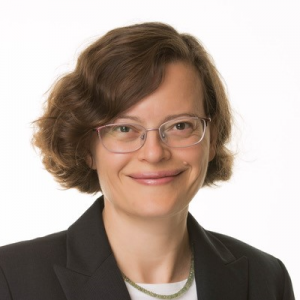
DR. KATHERINE ZUKOTYNSKI is an Associate Professor in the Departments of Medicine and Radiology at McMaster University and an Associate Member of the School of Biomedical Engineering at McMaster University. She is affiliated with several hospitals including Children’s Hospital Boston.
After completing an undergraduate degree in Engineering Science at the University of Toronto, Dr. Zukotynski completed medical training followed by a residency in radiology, also at the University of Toronto. In 2009, she completed nuclear medicine training through the Joint Program in Nuclear Medicine at Harvard. She was a staff radiologist at the Dana-Farber Cancer Institute and Brigham and Women’s Hospital from 2009 through 2012, and Instructor at Harvard Medical School. Subsequently, Dr. Zukotynski was a staff radiologist at Sunnybrook Health Sciences Centre from 2012 through 2015, an Assistant Professor at the University of Toronto and a Visiting Assistant Professor at Harvard Medical School. She is board certified in nuclear cardiology, as well as in nuclear medicine and radiology, in both the United States and Canada.
Dr. Zukotynski is involved in medical imaging research. Her main areas of research are in PET/CT, particularly as it relates to oncology, neurodegenerative disease and machine learning. She received the RSNA Research and Education Foundation Roentgen Resident/ Fellow Research Award first as a radiology resident and then as a nuclear medicine resident. She held an RSNA Research Scholar Grant from 2012-2014, and currently holds approximately $5M in funding for molecular imaging, predominantly in prostate cancer research.
Dr. Zukotynski is also actively involved in the leadership of several imaging societies. She is Chair of the American Roentgen Ray Society (ARRS) Nuclear Medicine Section Instructional Courses, Chair of the Radiologic Society of North America (RSNA) Nuclear Medicine Refresher Course Committee Track, as well as the Research and Education Public Relations Committee. She is also Secretary of the American College of Nuclear Medicine (ACNM) and immediate past Treasurer/Secretary of the Society of Nuclear Medicine and Molecular Imaging (SNMMI), as well as immediate past president of the SNMMI PET Center of Excellence and Eastern Great Lakes Chapter.
EVENT DETAILS
NuclearFACTS 2025 will take place both virtually and in person in Saskatoon at Innovation Place, 111 Research Drive, Atrium Candle Room. Visitor parking is available at the building.
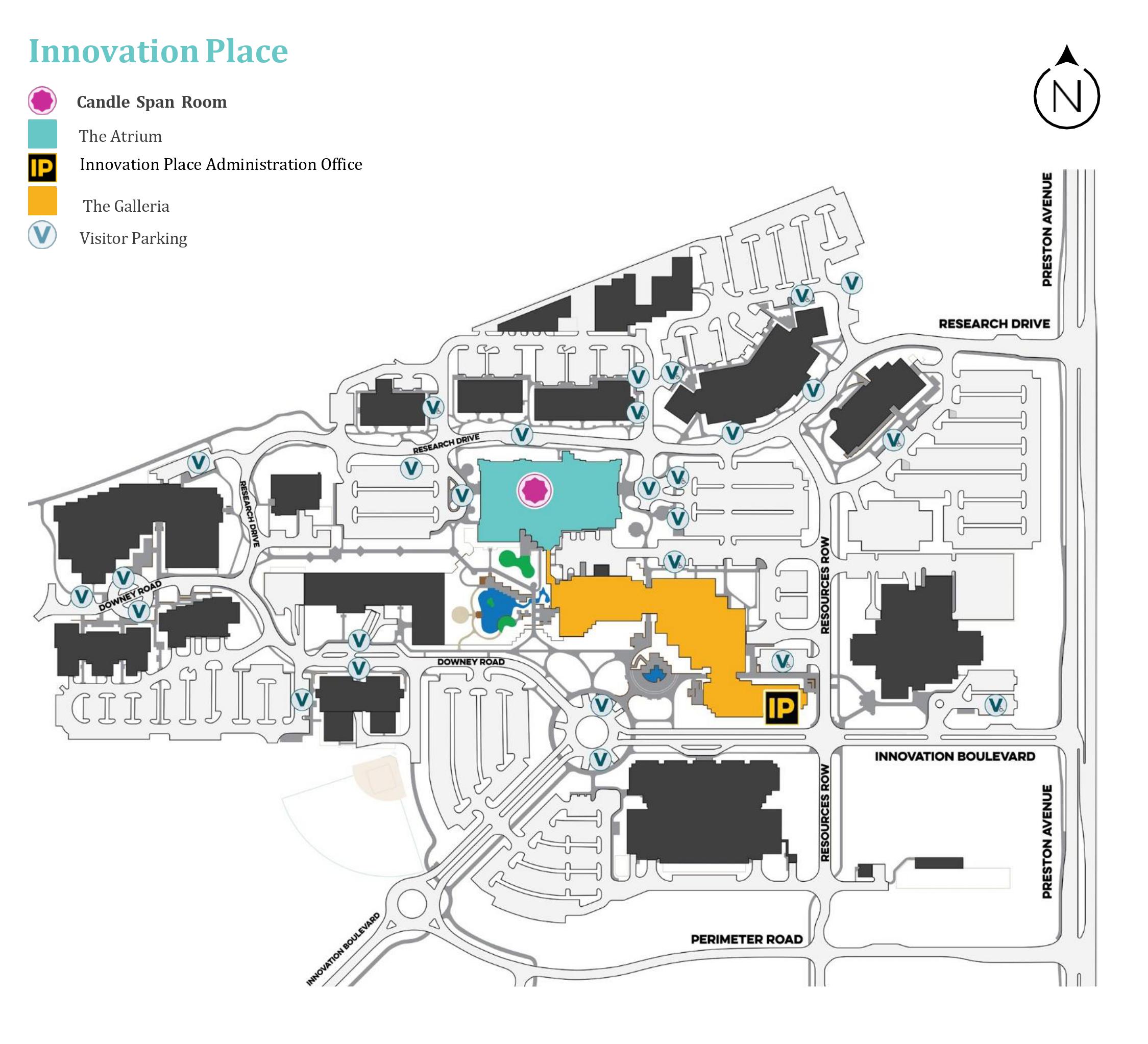
Click on the map to preview